

Headache and Migraine Treatment in Beverly Hills
Dr. Jamie Mahtaban, DC, and Dr. Yuliya Gruppina, DC, have treated hundreds of patients in Beverly Hills suffering from recurring headaches and migraines. These conditions can interfere with work, sleep, and daily life, especially when they return frequently or become more intense over time.
Headaches and migraines often develop due to tension, posture issues, or spinal misalignment rather than a single trigger. At Elite Chiropractic Beverly Hills, we focus on identifying what is causing the problem, not just managing the pain.
Our approach is gentle and precise. Each treatment plan is designed to improve spinal function, reduce tension, and support the nervous system naturally. The first step is a consultation to understand your symptoms and create a clear path forward.
Root Causes of Headache and Migraine
As Dr. Mahtaban explains, about 95% of headaches originate from the joints and musculature around the neck. The other 5% could be due to conditions like tumors, malnutrition, dehydration, or hormonal issues.
Most of the time, it is poor posture. The muscles around the neck and the joints that are stuck there cause referred pain that goes into the head, and people read that as a headache or migraine.
How Headaches and Migraines Are Diagnosed
As your Chiropractor Beverly Hills, we start with a detailed clinical history. We find out how long the patient has had headaches, when they started, what makes them worse, what causes them, and what helps. There is not much testing you can do for headaches. There are a couple of tests in which we try to apply pressure to the head and reciprocate the pain.
If further evaluation is needed, we will refer the patient for an MRI or to a neurologist to ensure nothing serious is going on. In general, diagnosis comes down to taking a good history and understanding what the headaches are like and how severe they are.
Treatment Plan for Headache and Migraine
At Elite Chiropractic Beverly Hills, our goal is to address postural issues, muscular tightness, and joint stiffness. A lot of times, we start with a warm-up, then use specific trigger points and soft-tissue therapy around the neck joints, upper shoulders, and middle back joints to help increase range of motion.
We perform specific spinal adjustments aimed at the areas that are extremely stuck to help loosen them. Additionally, we retrain patients on how to hold their heads up straight. Many people with migraines have their head tilted to one side. When we release the muscles and teach them to hold their heads up, their headaches become less frequent.
Tools and Therapies Used
We use our hands and soft tissue therapy devices. This includes:
- Vibrational tools
- Muscle scraping tools
- Heat therapy
- Electrical stimulation
Headache and Migraine Patient Case Studies
Recovery from Chronic Headache from a Past Neck Injury
An 18-year-old patient presented to us with a history of headaches for 10 years. She did not know why she had them at first. After discussing it in more detail, we found out she had a neck injury at the age of seven while doing gymnastics. She was in the hospital for a few days with a neck brace, but never received treatment. She grew up with neck pain and headaches.
When she came in, her neck range of motion was very low, and she had a strain in her neck along with chronic daily headaches. Dr. Mahtaban loosened the muscles around her neck and started adjusting them because her neck wasn’t moving. We started imparting motion, taught her how to hold herself up, and gave her mobility exercises.
Within 8 visits, she went from having headaches every day to having no headaches. After that, we continued with wellness care, seeing her once every three to four weeks, and she continues to have no headaches even after five years.
Severe Daily Headache Management
We have a 25-year-old patient who presented with barely keeping her eyes open. She has had chronic headaches for about three years, every single day. Her body was very tight and stiff. During the exam, Dr. Mahtaban noticed that several areas of her body were not moving properly.
The goal was to rehydrate her tissues and restore proper alignment to help with her headaches. Within about four visits, her headaches became less intense, and she went down to about two headaches per week.
After about five to six weeks of care, she no longer had regular headaches. She may get one about once a month, usually around her menstrual cycle, but they are getting lighter. She is still in the treatment process, but her condition has improved significantly.
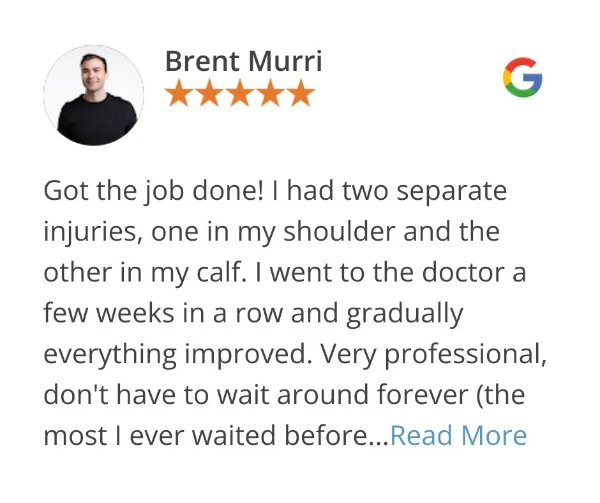
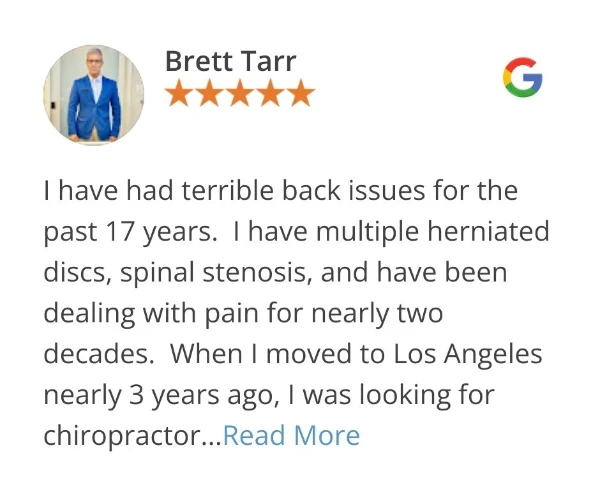
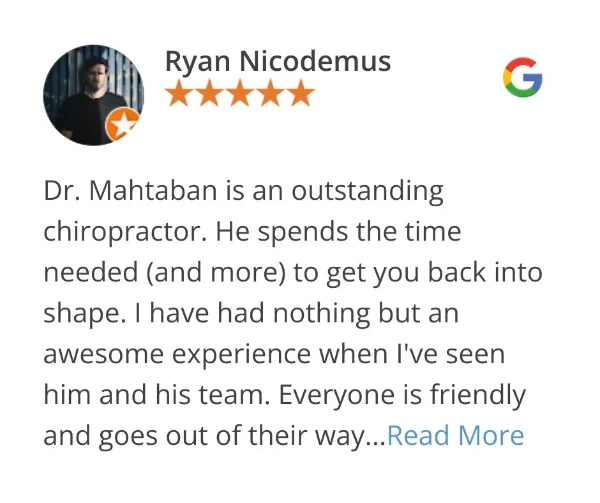
Migraine Patient Testimonials & Reviews






Book An Appointment
If headaches or migraines are interfering with your daily life, Dr. Jamie Mahtaban & Dr. Yuliya Gruppina can help identify contributing factors and create a personalized care plan.
Call us at (310) 692-4469 or book online using the tool below.
Migraine Patient FAQs
Who is a good candidate for headache chiropractic care?
- Adults with chronic or recurring headaches
- Desk workers and remote employees
- Athletes and active individuals
- High-stress individuals
Can a chiropractor really help migraines?
Chiropractic care can help when migraines are related to spinal tension or nerve irritation.
How many sessions are needed for headache recovery?
The number of visits varies based on severity, frequency, and response to care.
Is chiropractic treatment safe for migraines?
Yes. Care is gentle and adapted to individual needs.
Do I need a referral to see a chiropractor?
No referral is required in most cases.
What are some headache prevention tips from a chiropractor?
- Posture and Ergonomic Improvements
- Keep screens at eye level
- Support the lower back
- Avoid prolonged forward head posture
- Lifestyle and Wellness Recommendations
- Maintain regular sleep habits
- Manage stress
- Stay physically active
What are the home remedies for headaches or migraines?
At home, strategies may help manage discomfort:
- Ice or gentle heat for neck tension
- Proper pillow support
- Staying hydrated
- Gentle stretching
- Limiting screen time
- Stress management techniques
Home care can support comfort, but does not replace proper evaluation.
What are the long-term effects of ignoring headaches or migraines?
Without treatment, headaches and migraines may become more frequent or severe. Long-term effects may include:
- Chronic pain patterns
- Increased medication dependence
- Reduced quality of life
- Neck and spinal degeneration
- Ongoing nervous system stress
Early care helps reduce long-term complications.