
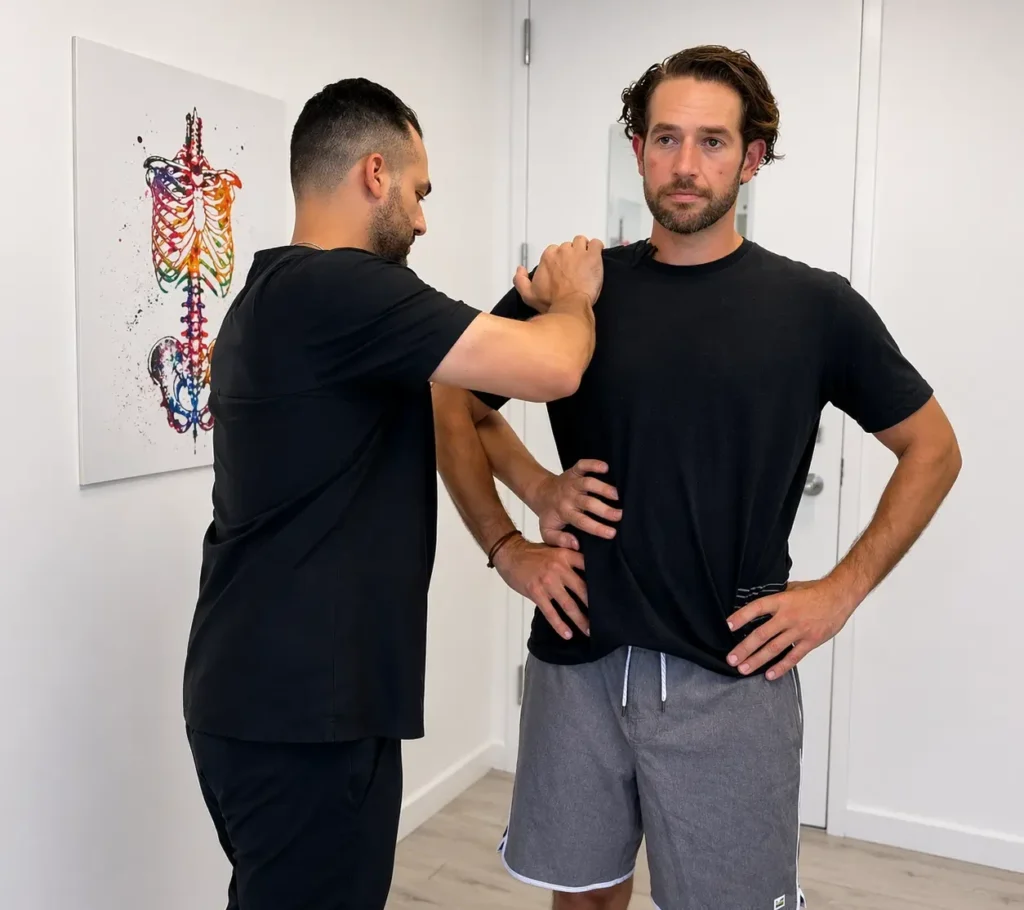
Shoulder Pain Treatment in Beverly Hills
The shoulder is one of the most mobile joints in the body, which also makes it vulnerable to strain, overuse, and injury. Shoulder pain can develop from repeated motions, improper posture, muscular imbalances, or soft tissue injuries involving the rotator cuff, joints, or surrounding tissues.
Dr. Jamie Mahtaban, DC, and Dr. Yuliya Gruppina, DC focus on identifying the factors that contribute to shoulder pain, including spinal alignment, joint movement, and muscle tension. Gentle adjustments and supportive therapies are used to improve mobility and reduce stress on affected areas.
Our goal is to relieve pain, restore natural movement, and help the shoulder function more comfortably to improve your body’s overall balance. Contact us at (310) 692-4469 to have your shoulder pain evaluated.
Causes of Shoulder Pain
Shoulder pain often develops from a combination of joint stress, muscle imbalance, and movement dysfunction. Common reasons include:
- Poor posture or rounded shoulders. Forward head and rounded shoulder posture can overload the joint and surrounding muscles.
- Repetitive overhead activity. Sports, workouts, or job-related tasks can irritate tissues over time.
- Muscle strain or tendon irritation. Overuse or sudden force may trigger inflammation and guarding.
- Joint restriction in the shoulder or upper spine. Limited motion in the upper back can increase strain on the shoulder.
- Nerve irritation from the neck. Irritation in the cervical spine can refer pain into the shoulder or arm.
- Sudden lifting or twisting movements. Quick or awkward motions may stress vulnerable structures.
- Previous injuries. Old injuries can leave compensation patterns that resurface later.
- Age-related wear. Natural joint changes can reduce resilience if movement is restricted.
In many cases, shoulder pain is influenced by how the neck and upper back move.
Types of Shoulder Pain We Treat
Some patients experience shoulder pain linked to less obvious conditions, such as:
- Frozen shoulder or adhesive capsulitis. Progressive stiffness that limits daily activities like dressing or reaching.
- Shoulder impingement patterns. Certain arm positions can pinch sensitive structures.
- Rotator cuff strain or irritation. Pain or weakness when lifting or rotating the arm.
- Shoulder pain related to neck nerve involvement. Symptoms may travel down the arm or feel like tingling.
- Postural shoulder instability. Poor muscular coordination can make the joint feel weak or unreliable.
- Pain following prior injury or surgery. Scar tissue and altered mechanics may limit recovery.
These conditions often require a more detailed evaluation.
Common Shoulder Conditions We Treat
Shoulder pain can present in different ways depending on the cause. Common types include:
- Pain when lifting the arm. Discomfort may appear at a specific angle or range.
- Pain reaching overhead or behind the back. Tasks like washing hair or fastening clothing may feel restricted.
- Shoulder stiffness or reduced mobility. Loss of range can develop gradually.
- Pain that travels into the arm. This may indicate nerve involvement from the neck.
- Weakness or fatigue in the shoulder. Muscles may tire quickly during normal activities.
- Night pain or discomfort while sleeping. Lying on the affected side can increase irritation.
Understanding how and when pain occurs helps guide proper care.
How Do We Diagnose the Root Cause of Shoulder Pain?
At Elite Chiropractic Beverly Hills, diagnosis begins with understanding how your shoulder moves and functions.
Your evaluation may include:
- Review of symptom history and activities. We discuss when the pain started and what aggravates it.
- Postural assessment. Posture often plays a major role in shoulder stress.
- Shoulder range of motion testing. We assess how freely and comfortably the joint moves.
- Muscle strength and flexibility evaluation. Imbalances can reveal why strain developed.
- Joint movement assessment. We check how the shoulder and upper spine articulate.
- Neck and upper back evaluation. As our doctors emphasize, the shoulder does not function independently of the spine.
- Neurological screening. We assess for signs of nerve irritation or altered sensation.
- Imaging when appropriate. If clinically necessary, imaging may help clarify structural concerns.
Dr. Jamie Mahtaban and Dr. Yuliya Gruppina explain findings clearly so you understand what is contributing to your pain and what steps can support recovery.
Benefits of Chiropractic Shoulder Pain Treatment
Chiropractic care focuses on improving joint function and reducing mechanical stress. Benefits may include:
- Improved shoulder mobility. Restoring motion can reduce daily limitations.
- Reduced muscle tension. Balanced movement can decrease protective tightness.
- Improved coordination between shoulder and neck. Better spinal support reduces strain on the arm.
- Better posture support. Corrective guidance helps reduce repetitive stress.
- Reduced strain during daily activities. Lifting, reaching, and sleeping may feel more comfortable.
- Support for long-term joint health. Conservative care emphasizes stability and prevention.
Care is individualized and adjusted based on comfort and progress.
Shoulder Pain Treatment Plan
Each shoulder pain treatment plan is customized based on exam findings and functional needs. Treatment may include:
- Gentle joint adjustments when appropriate. Precise adjustments help restore motion in the shoulder and spine.
- Techniques to improve shoulder and upper spine movement. Mobility in the thoracic spine can reduce shoulder overload.
- Soft tissue support for surrounding muscles. Targeted work may reduce tension and improve flexibility.
- Postural and ergonomic guidance. Small daily changes can significantly reduce strain.
- Movement and activity recommendations. We guide safer return to workouts or job tasks.
- Stretching and strengthening support. Corrective exercises reinforce stability and control.
The goal is to restore balanced movement and protect the shoulder during recovery.
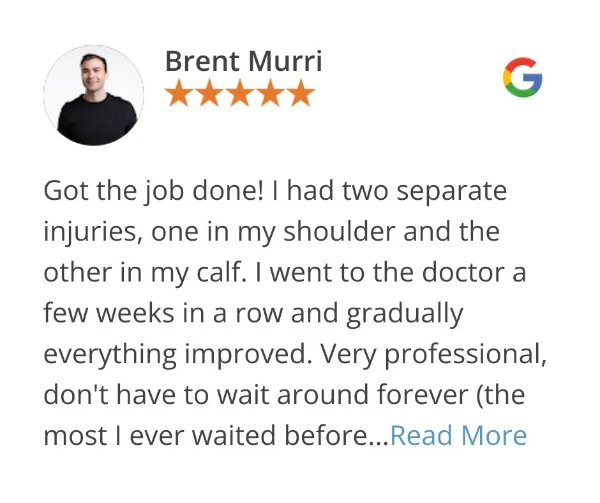
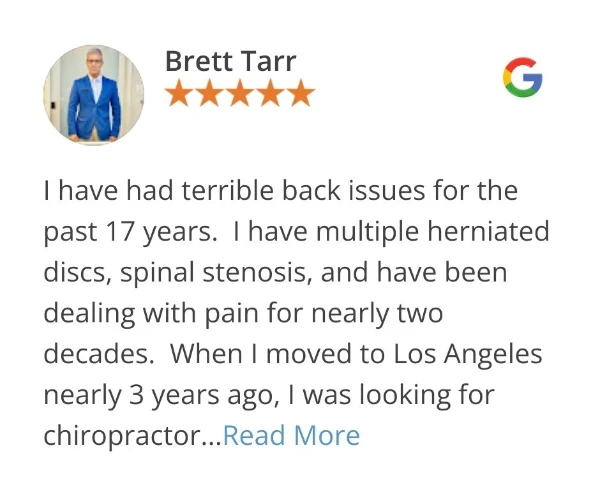
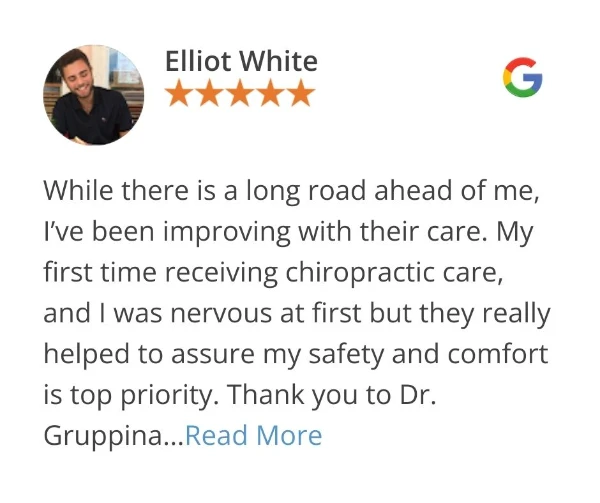
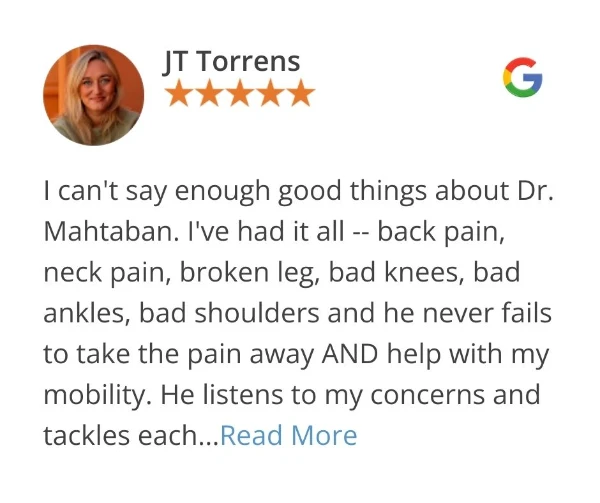
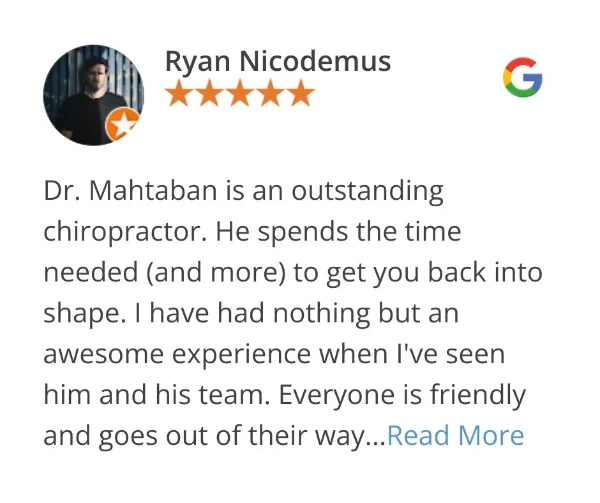
Shoulder Pain Patient Testimonials & Reviews




Shoulder Pain Treatment Specialists in Beverly Hills
Dr. Jamie Mahtaban, DC and Dr. Yuliya Gruppina, DC have experience treating a wide range of shoulder pain conditions in Beverly Hills. At Elite Chiropractic Beverly Hills, care focuses on accurate diagnosis, patient education, and conservative treatment.
Our doctors work closely with patients to support safe recovery and long-term shoulder health, emphasizing that optimal function comes from addressing the spine and shoulder together as one integrated system.
Book Complimentary Consultation for Shoulder Pain Treatment in Beverly Hills
If shoulder pain is limiting your movement or sleep, we are here to help you understand your options.
Call (310) 692-4469 to schedule your visit at Elite Chiropractic Beverly Hills. We are happy to answer your questions and guide you toward a clear next step.
FREQUENTLY ASKED QUESTIONS
Can chiropractic help frozen shoulder or severe stiffness?
Chiropractic care can support joint mobility and surrounding movement patterns, especially when stiffness limits daily activity. Improving spinal and shoulder mechanics may help reduce compensatory stress.
Can a chiropractor help a pinched nerve in my shoulder?
Shoulder pain related to nerve irritation often involves the neck or upper spine. Chiropractic care addresses these contributing areas to reduce pressure and improve function.
Should I see a doctor or chiropractor for shoulder pain?
Evaluation is recommended when pain persists, movement is limited, or daily activities are affected. Chiropractic care focuses on conservative treatment and movement assessment to identify mechanical causes.
What causes shoulder pain to worsen over time?
Poor posture, limited movement, and compensation patterns can increase strain if left unaddressed. Repetitive stress without correction may gradually intensify symptoms.
What are the home remedies for shoulder pain treatment?
Home care can help manage symptoms between visits:
- Rest from aggravating movements. Temporarily avoid motions that trigger sharp pain.
• Ice or heat as tolerated. Use what feels most soothing for comfort.
• Gentle shoulder stretching. Light mobility work may help maintain range.
• Posture awareness during sitting and standing. Keeping the spine aligned reduces excess strain.
• Avoid heavy lifting during flare-ups. Reducing load supports healing.
Home care supports comfort but does not address underlying mechanics.
What is the most common cause of shoulder pain?
One of the most common causes is movement dysfunction combined with muscle imbalance and postural stress. When the spine and shoulder are not working together efficiently, strain builds over time.
What if I have had shoulder surgery already?
Post-surgical shoulder pain or stiffness can often be supported with gentle care focused on mobility and function, once cleared by your surgeon. Treatment emphasizes restoring safe movement patterns and reducing compensatory strain.