
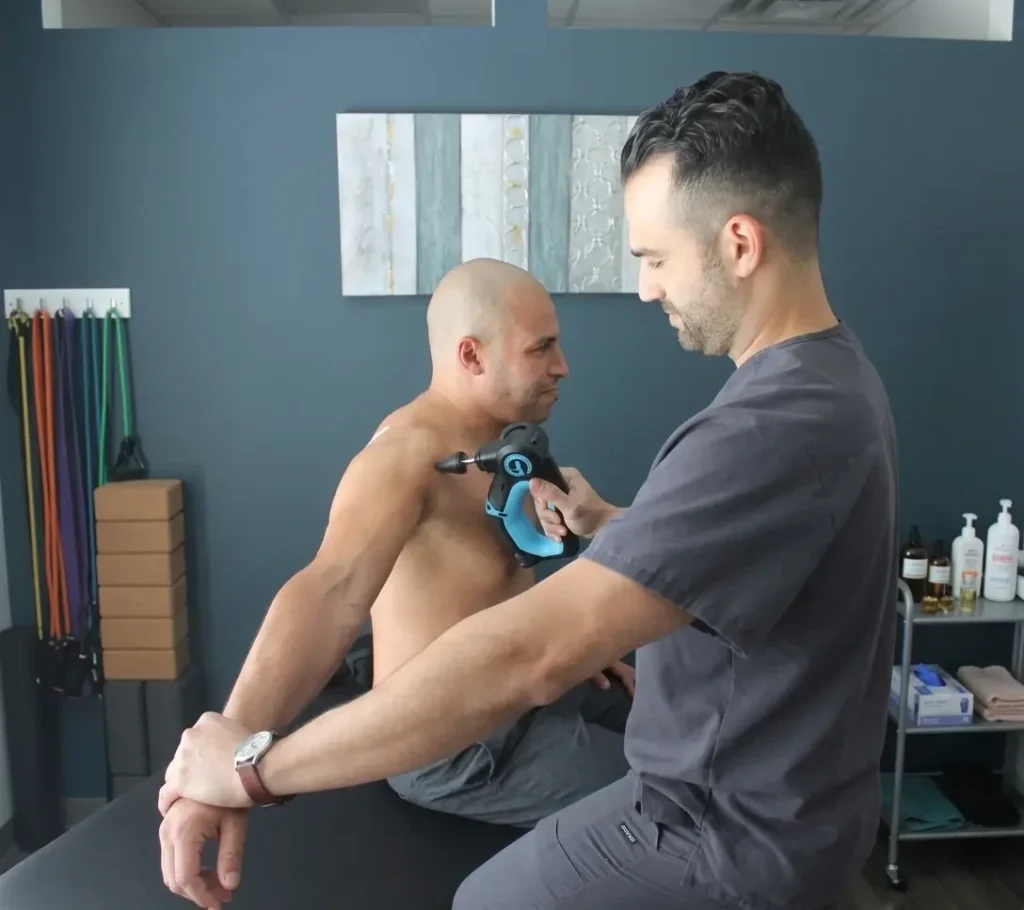
Neuropathy & Numbness Treatment in Beverly Hills
Neuropathy refers to persistent nerve dysfunction, with numbness being one of its most common symptoms. Both are often linked to underlying nerve compression or mechanical stress along the spine and surrounding structures.
Chiropractic care addresses these issues by identifying alignment and movement problems that may be contributing to nerve irritation. When the source of compression is located and corrected, many patients experience gradual improvement in sensation and mobility.
At Elite Chiropractic Beverly Hills, Dr. Jamie Mahtaban, DC, and Dr. Yuliya Gruppina, DC, evaluate each patient’s spinal alignment and movement patterns to determine whether chiropractic intervention is an appropriate course of care. Contact us at (310) 692-4469 or schedule a consultation.
What Is Neuropathy and Numbness?
Neuropathy refers to dysfunction or irritation of one or more nerves, which can interfere with normal sensation or muscle control. Numbness is a common symptom of neuropathy and may feel like reduced sensation, heaviness, or a pins-and-needles feeling.
Nerves rely on proper blood flow, space, and movement to function normally. When nerves are compressed, inflamed, or not moving well, often due to joint dysfunction, posture changes, or repetitive stress, signals between the brain and body can be disrupted. Neuropathy can be temporary or persistent depending on the underlying cause, which is why proper assessment is essential.
Types of Neuropathy We Treat
Peripheral Neuropathy: Affects nerves outside the brain and spinal cord, commonly causing numbness, tingling, or burning in the hands, feet, arms, or legs.
Diabetic Neuropathy: Develops in patients with diabetes and may involve changes in sensation, balance, or strength. Mechanical factors such as posture and joint motion can influence symptom severity.
Compression and Entrapment Neuropathy: Occurs when nerves are irritated by surrounding joints, discs, or soft tissues, limiting normal nerve movement and causing localized or radiating symptoms.
Causes of Neuropathy and Numbness
Neuropathy can develop from multiple contributing factors rather than a single cause. In many cases, nerve irritation is linked to mechanical stress, reduced joint mobility, or prolonged pressure along the spine or extremities.
Common contributors include:
- Spinal joint dysfunction, which may reduce space or movement around nerve pathways
- Poor posture or repetitive strain, placing ongoing stress on nerves over time
- Disc changes or joint degeneration, affecting how nerves exit the spine
- Metabolic or systemic conditions, such as diabetes, that impact nerve health
Signs & Symptoms of Neuropathy
Tingling, Burning, & Pins-and-Needles Sensations
Neuropathy symptoms can vary depending on which nerves are involved and how long they have been affected. Some symptoms may come and go, while others become more noticeable over time.
Common symptoms include tingling, burning, or pins-and-needles sensations, often felt in the hands, feet, or legs and sometimes worse at night.
Loss of Sensation and Muscle Weakness
Loss of sensation or numbness can make it harder to feel temperature, pressure, or touch. Some patients experience muscle weakness or coordination issues during walking, gripping, or fine motor tasks. Sensitivity to touch may also occur.
How Is Neuropathy Diagnosed
Physical and Neurological Examination
Proper diagnosis starts with understanding how the nervous system and musculoskeletal system are functioning together. Evaluation focuses on identifying areas where nerve signals may be disrupted.
Assessment may include:
Physical and neurological examination, checking sensation, reflexes, muscle strength, posture, and range of motion
Movement and posture analysis, to identify mechanical stress affecting nerve pathways
Imaging or nerve testing, when clinically indicated, to rule out structural or neurological concerns
Dr. Mahtaban emphasizes the importance of a “detailed history and a detailed exam” to pinpoint where the problem is rather than using a generic approach. This thorough process helps determine whether chiropractic care is appropriate and what areas require attention.
Imaging and Nerve Function Testing
Imaging is considered only when exam findings suggest it is necessary. In many cases of mechanical nerve irritation, careful examination provides the guidance needed to begin conservative care safely.
Benefits of Chiropractic Care for Neuropathy
When neuropathy is influenced by mechanical irritation, chiropractic care may help by:
- Improving joint motion and spinal mechanics
- Reducing nerve compression and tension
- Supporting better posture and movement patterns
- Enhancing functional comfort during daily activities
Outcomes depend on severity, duration, and overall health, but many patients experience improved function over time.
Neuropathy & Numbness Treatment for Diabetic Patients
For patients with diabetes, neuropathy can involve complex systemic factors. Chiropractic care does not replace medical management of diabetes. Instead, treatment focuses on identifying mechanical contributors that may increase nerve stress, such as posture, joint restriction, and movement inefficiency.
By improving how joints move and how muscles support the spine and extremities, care may help reduce additional mechanical irritation on already sensitive nerves. When appropriate, coordination with your primary medical provider is encouraged to ensure comprehensive care.
Neuropathy Treatment for the Hands, Feet, and Legs
Neuropathy frequently affects the extremities because nerves travel long distances and are sensitive to mechanical stress.
Chiropractic care often addresses:
- Spinal regions related to nerve supply
- Joint and muscle restrictions along nerve pathways
- Movement habits that overload the affected areas
Improving how nerves glide and tolerate load can positively influence daily mobility.
Neuropathy Treatment Plan
Personalized, Root-Cause-Focused Care
Neuropathy care follows an exam-driven, non-invasive approach focused on reducing mechanical nerve irritation and restoring movement.
Evaluation: Posture, range-of-motion, and neurological testing identify sources of nerve stress.
Symptom Reduction: Initial care reduces nerve irritation and movement sensitivity.
Mobility Restoration: Joint motion and nerve glide are improved as symptoms stabilize.
Functional Support: Corrective exercises support strength, stability, and daily function.
Reassessment: Progress is monitored and care adjusted based on response over time.
As Dr. Mahtaban explains, treatment is not “just adjusting everyone’s neck to toe every single time.” Instead, care is based on what your body actually needs.
Non-Invasive and Medication-Free Treatment Options
Treatment may include a blend of chiropractic adjustments, soft tissue therapy, and rehabilitation. Dr. Mahtaban describes his approach as a “blend of physiotherapy, soft tissue therapy and chiropractic combined.”
Adjustments help restore motion to fixated joints. Soft tissue work addresses muscle tension that may be pulling on irritated nerves. Rehabilitation and postural correction help reduce the likelihood of symptoms returning.
Neuropathy & Numbness Patient Testimonials & Reviews

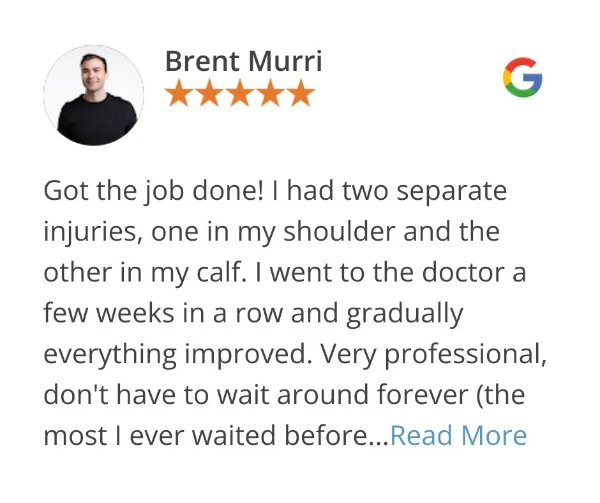
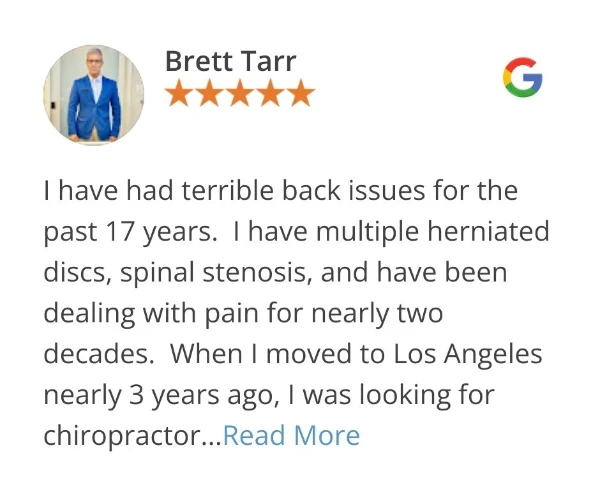




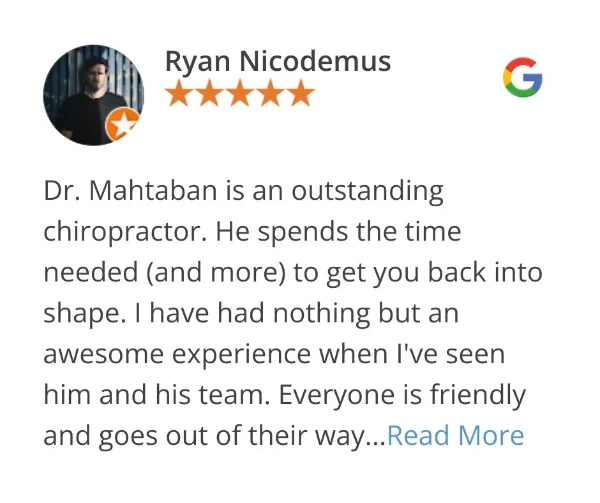

Neuropathy & Numbness Treatment Specialists in Beverly Hills
Dr. Jamie Mahtaban and Dr. Yuliya Gruppina have over two decades of experience treating patients with neuropathy and numbness in Beverly Hills.
At Elite Chiropractic Beverly Hills, care focuses on identifying mechanical sources of nerve irritation and using non-invasive approaches to support healthy movement and nerve function. As Dr. Mahtaban explains, the goal is to “impart motion into a joint that’s been stuck” and reduce stress on irritated nerves so the body can move more freely.
Why Choose Our Clinic for Neuropathy Treatment
Experienced and Licensed Chiropractors
Dr. Mahtaban opened Elite Chiropractic Beverly Hills in 2013 with the goal of building a clinic that focuses on accurate diagnosis and individualized care. He describes his mission as diagnosing everyone accurately and treating based on findings rather than a cookie-cutter plan. Dr. Gruppina brings a dual background in chiropractic and additional therapeutic training, offering a broad perspective on movement and nervous system function.
Evidence-Based and Ethical Patient Care
The clinic emphasizes detailed exams, clear explanations, and realistic expectations. As Dr. Mahtaban often tells patients, “I want you here less,” as our goal is improved function, not long-term dependence on care.
Modern Technology and Proven Techniques
Care may include hands-on treatment, rehabilitation, and decompression when appropriate for disc-related conditions. The approach blends joint restoration, soft tissue work, and corrective strategies to support long-term movement quality.
Book An Appointment
If numbness, tingling, or nerve-related symptoms are affecting your daily function, a chiropractic evaluation can help determine whether mechanical factors are involved and what conservative care options may be appropriate.
Call us at (310) 692-4469 or book online using the tool below.
Neuropathy & Numbness FAQs
Can neuropathy be reversed without surgery?
Some cases improve with conservative care when nerve irritation is mechanical rather than structural damage. Restoring motion and reducing stress on affected areas may help improve symptoms.
How long does neuropathy treatment take?
Timelines vary based on severity, duration, and individual response to care. Progress is monitored and plans are adjusted based on how your body responds.
Does chiropractic care help nerve regeneration?
Chiropractic care supports nerve function by reducing mechanical stress; it does not directly regenerate nerves.
Is numbness a sign of permanent nerve damage?
No. Numbness can be temporary when caused by compression or movement restriction. Proper evaluation helps determine the cause.
Do I need imaging or tests before starting treatment?
Imaging is used only when exam findings indicate it is necessary.
How does nerve damage affect daily life and mobility?
Nerve irritation can change how the body senses movement and load. Patients may compensate without realizing it, leading to difficulty with balance, endurance, grip strength, or walking. These changes can increase strain on other areas of the body.
Can chiropractic care help neuropathy and numbness?
Chiropractic care addresses mechanical contributors, such as joint restriction and movement stress, that can worsen nerve irritation. Care focuses on improving how the body moves and distributes load, which may help reduce ongoing nerve stress.
What results can you expect from neuropathy treatment?
Improvement often occurs gradually. Patients may first notice better tolerance to activity or position changes, followed by changes in sensation and function. Progress is evaluated through movement quality and daily performance rather than strict timelines.
Is chiropractic treatment safe for neuropathy?
Care is individualized and conservative, with techniques selected based on exam findings and symptom response. As Dr. Mahtaban notes, chiropractic is considered very safe when performed with proper assessment and training.
When should you seek treatment for numbness or tingling?
Persistent, worsening, or spreading symptoms should be assessed promptly.
What are the chiropractic techniques used for neuropathy treatment?
Spinal adjustments to reduce nerve pressure, restoring joint motion
Soft tissue techniques, addressing muscle tension and nerve entrapment
Corrective exercises, supporting long-term movement stability and nerve tolerance