
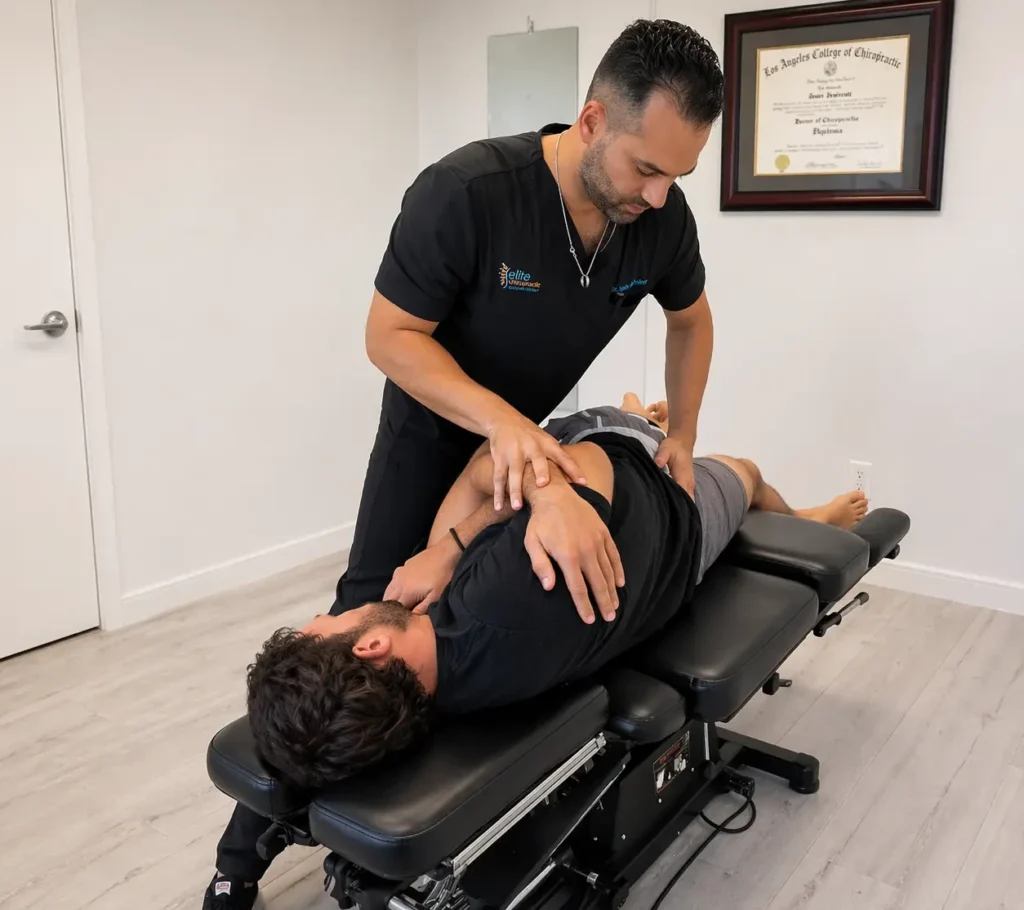
Herniated Disc Treatment in Beverly Hills
Herniated disc pain can be alarming, especially when it causes numbness, weakness, or pain that travels into the arms or legs. Many patients arrive unsure whether surgery is their only option or why symptoms appeared so suddenly.
Dr. Jamie Mahtaban, DC, and Dr. Yuliya Gruppina, DC, have helped patients across all stages of herniated disc conditions in Beverly Hills, from early symptoms to long-standing nerve irritation. At Elite Chiropractic Beverly Hills, care is structured, cautious, and focused on reducing stress to the disc and surrounding nerves while supporting stability and function.
Every treatment plan is based on clinical findings, not assumptions, and adjusted to your comfort level.
Call (310) 692-4469 to schedule your complimentary consultation.
What Is a Herniated Disc?
Dr. Mahtaban explains the disc as a water balloon between each pair of vertebrae. A herniated disc is like having a hole in that water balloon.
A herniated disc, or slipped disc, occurs when the outer shell of the disc ruptures, allowing the inner disc material to bulge outward.
When that material reaches or presses on a nerve, it can be extremely painful.
Symptoms of Herniated Disc
Symptoms of a herniated disc are typically sciatica, difficulty bending, extreme stiffness, and lower back pain.
A person may also have pain shooting down the leg, along with numbness and tingling.
In more severe cases, the pain can make it very difficult to move, roll out of bed, or sit for more than a few minutes without extreme pain.
How We Diagnose a Herniated Disc
When someone comes into our office with symptoms of a herniated disc, we start with a regular physical exam and a nerve exam.
Testing can help diagnose a herniated disc quite effectively. We may also send the patient for an MRI to see exactly where the herniation or protrusion is. It can also tell us how large it is.
Based on what the MRI shows, we determine our treatment plan.
Herniated Disc Treatment Plan
At Elite Chiropractic Beverly Hills, treatment usually starts with heat and electrical stimulation to warm up the body.
We then do myofascial release, which is muscle work, on the surrounding muscles or wherever the body is tight.
We may also perform spinal adjustments to increase the range of motion in areas that are stuck.
For herniated disc patients, we use the decompression table to open up the disc space and allow the disc to rehydrate. The table is used to help the herniated material begin to draw back toward the center, reducing pressure on the nerve.
Ergonomics, rehabilitation, and core strengthening are also recommended.
What Happens If a Herniated Disc Is Not Treated
If a herniated disc keeps getting worse, it can cause sciatica and nerve compression.
If a nerve is compressed for too long, a person can lose function in the area it controls.
Over time, the disc can become smaller and smaller. If it reaches the point where the bones are in contact, it can cause extreme pain, limited mobility, disability, discomfort, and difficulty sitting or rolling over.
Herniated Disc Patient Case Study
Chief complaint: A woman in her early 30s with a young boy presented to our clinic. She reported that her back started hurting after she lifted him in an awkward position. She was told by her doctor that she had a herniated disc that was causing sciatica down her leg.
Treatment: She first went to her existing chiropractor, who was trying regular treatments. He then referred her to us because she could benefit from the decompression table. She came to us, and we started her treatment on the decompression table.
Outcome: Within seven or eight visits, her extreme disability and pain went down by about 70 percent. She was able to move around and do what she wanted.
After finishing her treatment plan, she was about 90 to 95 percent better, with the potential to keep improving after a few more visits.
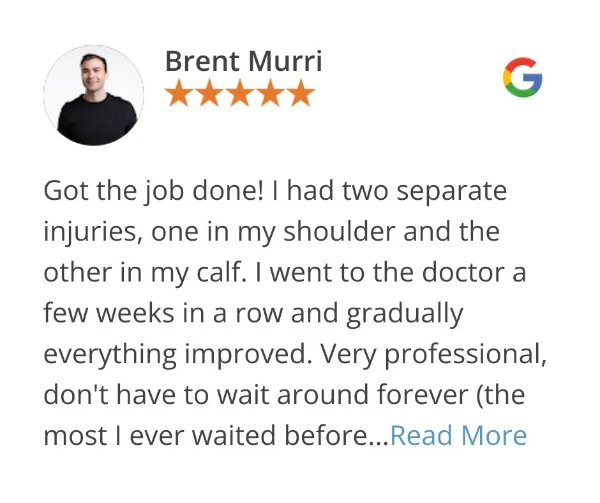
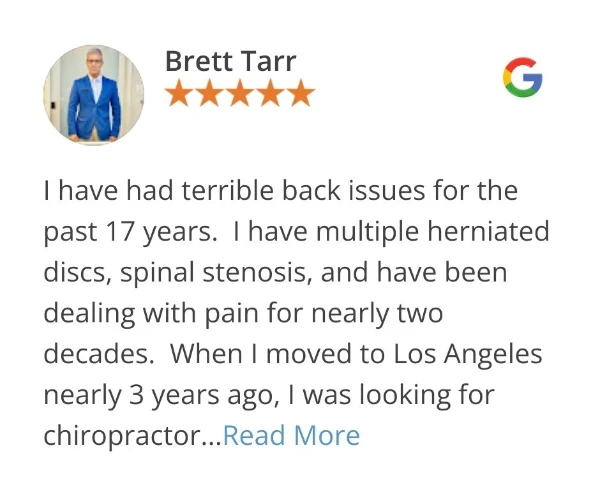
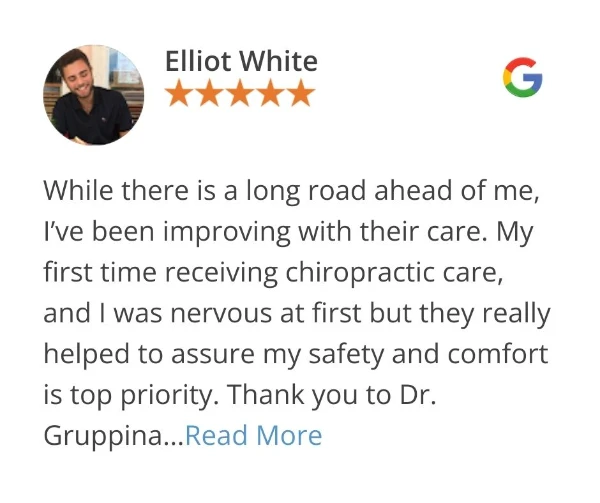
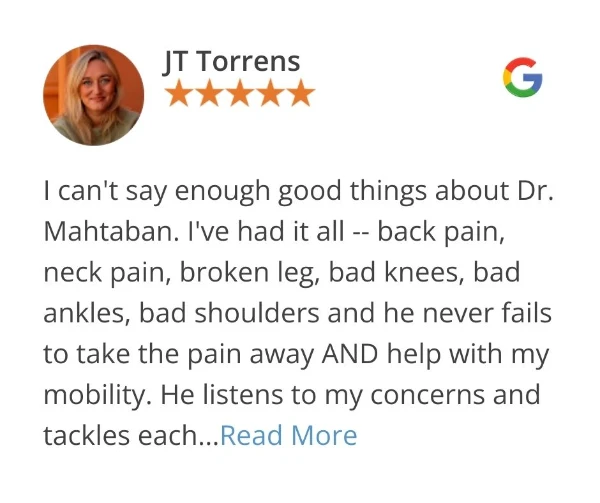
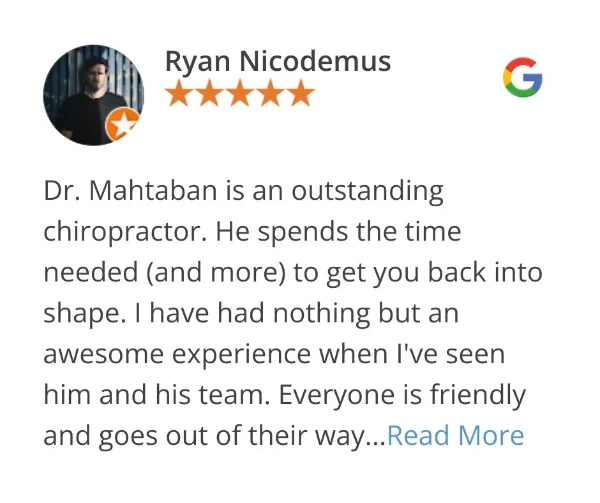
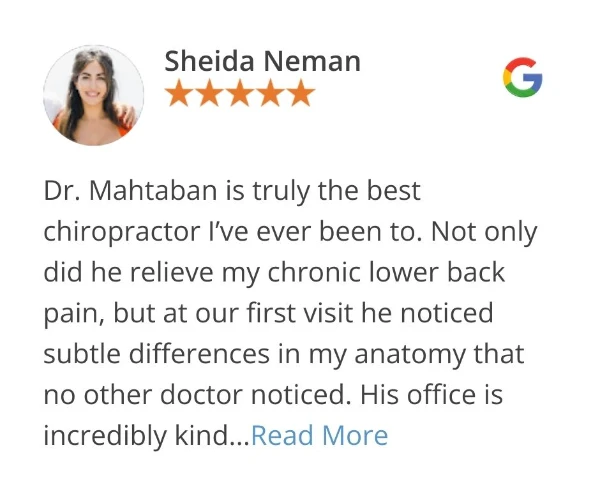
Herniated Disc Patient Testimonials & Reviews



Book an Appointment for Herniated Disc Treatment
If you are experiencing radiating pain, numbness, or weakness, a focused evaluation can help clarify your next steps. We will review your symptoms, perform a thorough examination, and discuss conservative options tailored to your condition.
Call us at (310) 692-4469 or book online using the booking tool below.
Herniated Disc Treatment FAQs
Can a herniated disc improve without surgery?
Yes. Many herniated discs improve with conservative care. Chiropractic treatment focuses on reducing nerve pressure, improving movement, and supporting steady, measurable recovery without surgery or medications.
How long does herniated disc treatment take?
Treatment length depends on disc severity, symptom duration, and individual healing response. Dr. Gruppina notes that progress is monitored closely and adjusted based on how your body responds to care.
What activities should I avoid with a herniated disc?
Activities involving heavy lifting, twisting, or prolonged sitting may need to be modified during care. Your doctors will provide specific guidance to help you protect the area while remaining safely active.
When should you seek treatment for a herniated disc?
Evaluation is recommended if pain radiates to the arms or legs, numbness develops, or symptoms persist. Early assessment helps determine whether nerve involvement is present and what conservative steps are appropriate.
How to heal a herniated disc naturally?
You can often heal a herniated disc naturally with a structured, non-invasive approach. Chiropractic care focuses on reducing pressure on the affected nerve, improving spinal alignment, and restoring movement. Treatment plans may include spinal adjustments, guided exercises, and lifestyle changes based on your condition.
What are the symptoms of a slipped disc?
The symptoms of a slipped disc depend on the location and severity of the condition. Common symptoms include:
- Back or neck pain
- Pain that radiates into the arms or legs
- Numbness or tingling
- Pain while sitting for extended periods
- Muscle weakness
These symptoms often occur when the disc presses on a nearby nerve.
Content Reviewed by